
Simplify Beer Production with Dry Malt Extract (DME)
Not every brewery needs a complete brewhouse to produce excellent beer. Many startup breweries, brewpubs, pilot breweries, and contract brewers are turning to Dry Malt Extract (DME) as an efficient and flexible brewing ingredient.
DME allows brewers to skip the mashing and lautering processes while maintaining excellent beer quality. By simply dissolving the extract in brewing water, adding hops, fermenting with quality yeast, and packaging the finished product, breweries can significantly reduce equipment investment and production time.
In this guide, we’ll explore what DME is, how beer is brewed with it, the equipment required, and why it has become a popular choice for modern breweries.
What Is Dry Malt Extract (DME)?
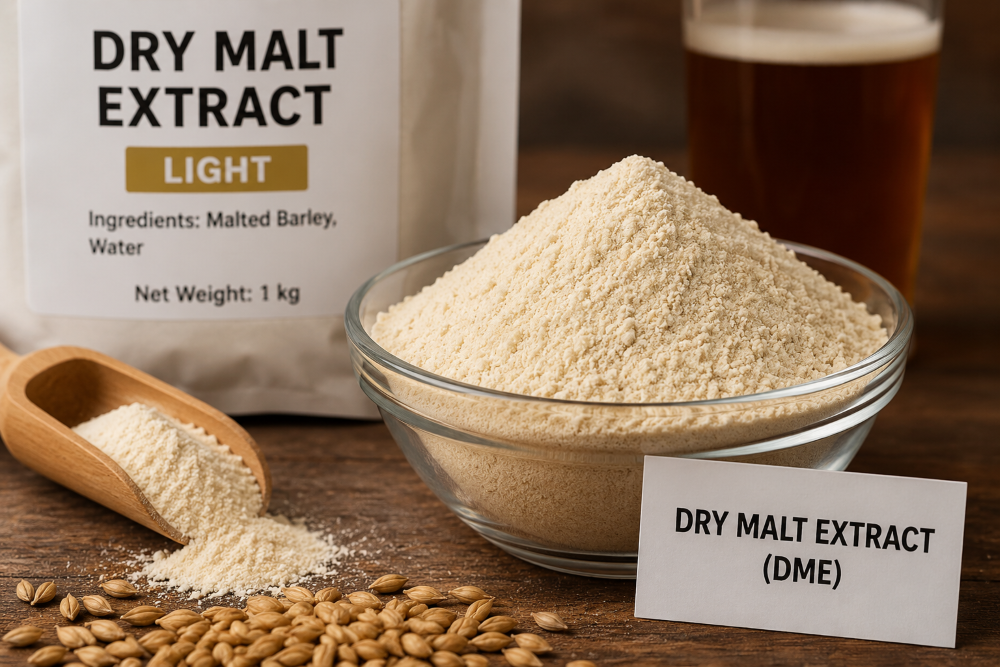
Dry Malt Extract (DME) is produced by brewing malt into wort and then removing almost all the water through evaporation and spray drying. The result is a fine, free-flowing powder containing approximately 95–97% solids.
DME retains the fermentable sugars, proteins, minerals, and malt flavors found in traditional wort, making it an excellent base for brewing a wide variety of beer styles.
Common types of DME include:
- Extra Light DME
- Light DME
- Amber DME
- Dark DME
- Wheat DME
- Specialty Malt Extracts
Each type provides different color, flavor, and body characteristics for recipe development.
Advantages of Brewing with DME
Compared with traditional all-grain brewing, DME offers several important advantages:
- No malt milling required
- No mash tun or lauter tun needed
- Shorter brewing process
- Lower equipment investment
- Réduction des coûts de main-d'œuvre
- Consistent malt quality
- Easy recipe scaling
- Long shelf life
- Convenient transportation and storage
- Suitable for breweries with limited space
For many breweries, DME provides an ideal balance between efficiency and product quality.
Brewing Process Using Dry Malt Extract
Étape 1 : Traitement de l'eau
High-quality brewing starts with properly treated water.
The brewing water should be filtered and adjusted to achieve the desired mineral profile for the selected beer style.
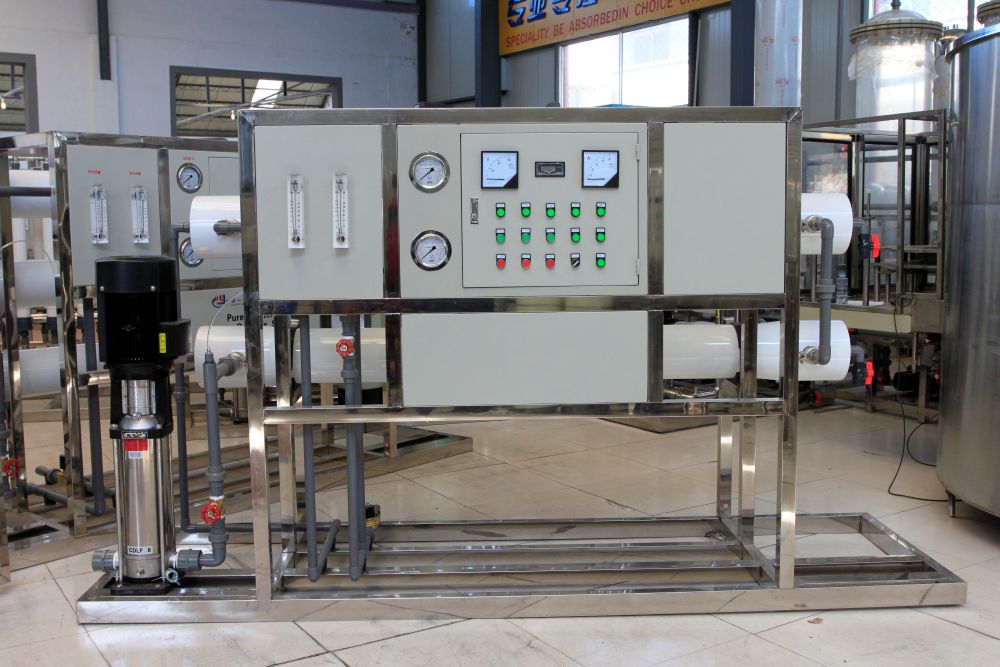
Typical water treatment equipment includes:
- Filtre à sable
- Filtre à charbon actif
- Water softener
- Osmose inverse (en option)
- Stérilisateur UV
Step 2: Dissolving the Dry Malt Extract
Brewing water is heated to approximately 60–70°C.
The Dry Malt Extract is gradually added into a stainless steel mixing tank equipped with an agitator.
Slow addition prevents clumping while ensuring complete dissolution.
After mixing, the solution becomes fresh wort ready for boiling.
Step 3: Wort Boiling
The wort is heated to boiling (100°C).
Boiling generally lasts 60–90 minutes, depending on the beer recipe.
The boiling stage performs several important functions:
- Sterilizes the wort
- Improves protein coagulation
- Enhances wort stability
- Concentrates the wort if necessary
- Extracts hop bitterness and aroma
Step 4: Hop Additions
Hops are added during the boil according to the desired beer style.
Typical schedule:
- Bittering hops: 60 minutes
- Flavor hops: 20–30 minutes
- Aroma hops: Last 5–10 minutes
- Whirlpool hops: After boiling (optional)
Additional ingredients such as spices, herbs, fruit peels, or botanicals may also be incorporated.
Étape 5 : Séparation par tourbillon
After boiling, the wort is transferred into a whirlpool tank.
The whirlpool separates:
- Hop residue
- Protein coagulum (hot break)
- Trub
Clear wort improves fermentation efficiency and produces cleaner beer.
Étape 6 : Refroidissement du moût
A plate heat exchanger rapidly cools the wort to fermentation temperature.
Typical temperatures:
- Bière : 18–22 °C
- Lager : 8 à 12 °C
Fast cooling minimizes contamination risks and prepares the wort for yeast pitching.
Étape 7 : Fermentation
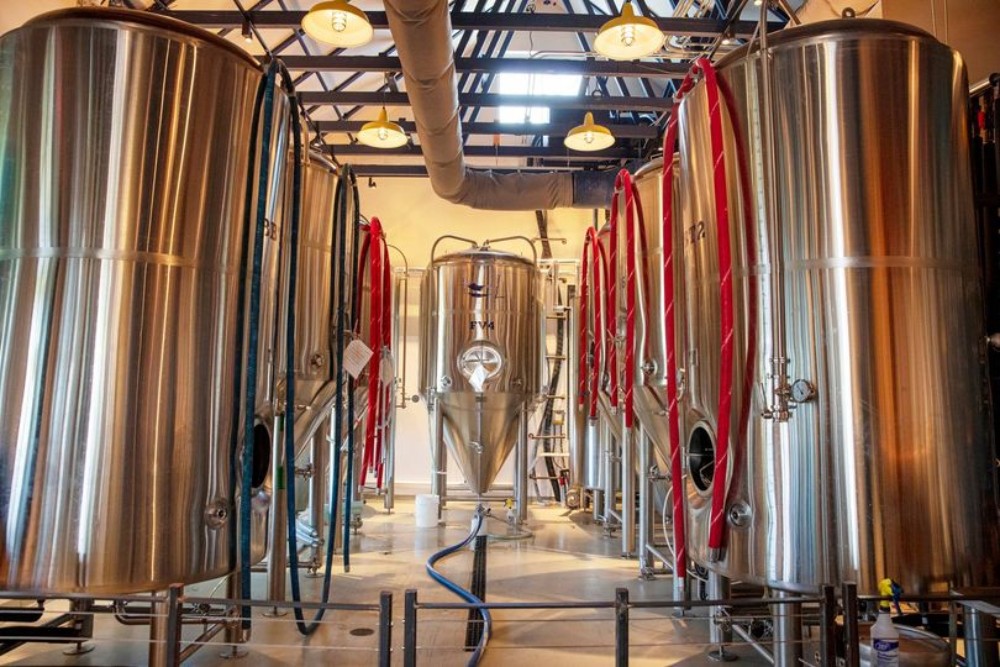
The cooled wort is transferred into stainless steel fermenters.
Brewing yeast is pitched under sanitary conditions.
Typical fermentation time:
- Bière : 5 à 10 jours
- Lager : 10 à 21 jours
Modern fermenters automatically control temperature and pressure to ensure stable fermentation.
Optional additions during fermentation include:
- Houblonnage à sec
- Purée de fruits
- Café
- Chérie
- Cacao
- Herbes
Step 8: Beer Conditioning
After primary fermentation, the beer undergoes cold conditioning.
Cette étape permet d'améliorer :
- Flavor maturity
- La carbonatation
- Clarté
- Sensation en bouche
- Shelf stability
Typical conditioning temperature:
0–2 °C
Duration ranges from one to four weeks depending on the beer style.
Étape 9 : Filtration (facultative)
For bright beer production, filtration can be applied using:
- Filtre à plaques
- Diatomaceous earth (DE) filter
- Système de filtration à membrane
Many craft breweries intentionally skip filtration for hazy IPAs and wheat beers.
Étape 10 : Carbonatation
Beer is carbonated either naturally or by forced CO₂ injection.
Carbonation levels are adjusted according to the target beer style.
Étape 11 : Emballage
La bière finie peut être conditionnée sous les formes suivantes :
- Bouteilles en verre
- Canettes en aluminium
- Fûts en acier inoxydable
Automatic filling systems improve efficiency while minimizing oxygen pickup.
Equipment Required for DME Brewing
Compared with traditional breweries, DME-based breweries require much less equipment.
A typical system includes:
Water Treatment System
Produces brewing-quality water with stable mineral composition.
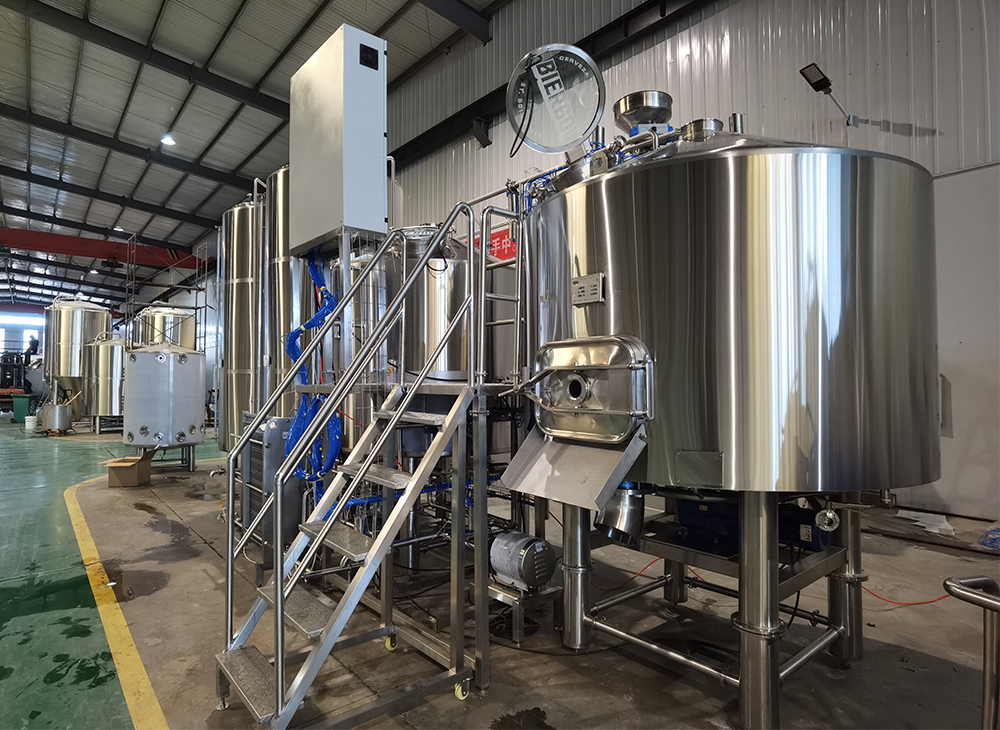
DME Mixing Tank
Used to dissolve Dry Malt Extract efficiently.
Caractéristiques :
- Construction en acier inoxydable
- Steam or electric heating
- Agitateur
- Contrôle de la température
- Boule de pulvérisation CIP
Wort Boiling Kettle
Provides:
- Wort sterilization
- Hop boiling
- Flavor development
Steam-jacketed kettles offer excellent heating efficiency.
Whirlpool Tank
Separates hop particles and protein solids.
Échangeur de chaleur à plaques
Rapid cooling before fermentation.
Cuves de fermentation
The heart of the brewery.
Typical features:
- Glycol cooling jackets
- Pressure-rated vessel
- Contrôle de la température
- Pressure control
- Valve d'échantillonnage
- Système de nettoyage CIP
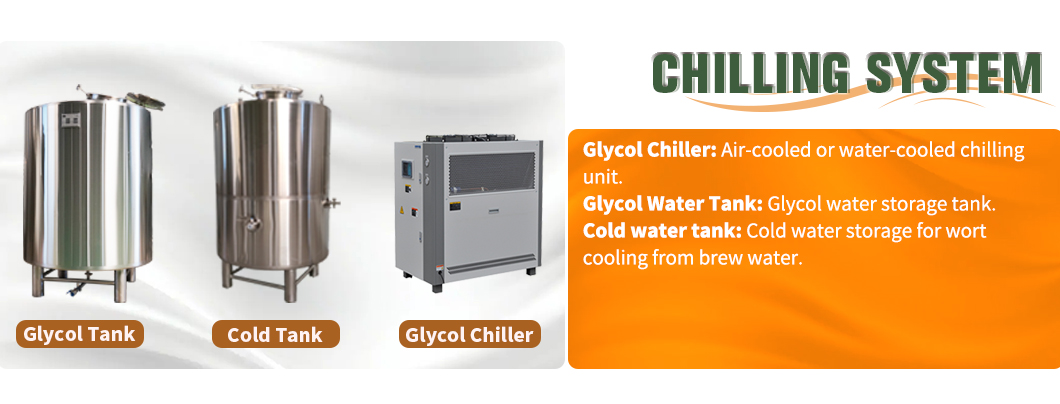
Système de refroidissement au glycol
Permet de maintenir des températures de fermentation précises.
Typically includes:
- Glycol tank
- Refroidisseur
- Pompes
Système de nettoyage CIP
Ensures hygienic operation through automated cleaning.
Optional configuration:
- Réservoir de produits caustiques
- Réservoir d'acide
- Réservoir d'eau chaude
- Sanitary pump
Bright Beer Tank (Optional)
Utilisé pour :
- La carbonatation
- Conservation de la bière
- Mélange
- Packaging preparation
Beer Filtration System (Optional)
Selected according to beer style and desired clarity.
Filling Line
Les options d'emballage comprennent
- Bottle filling line
- Ligne de remplissage de boîtes de conserve
- Machine de remplissage de fûts
Fully automatic systems improve productivity and product consistency.
Which Breweries Benefit Most from DME Brewing?
Brewing with Dry Malt Extract is particularly suitable for:
- Startup breweries
- Brasseries
- Brasseries-restaurants
- Pilot brewing laboratories
- Contract breweries
- Beverage companies expanding into beer production
- Seasonal or limited-edition beer projects
- Remote breweries where malt supply is limited
By eliminating the need for a full brewhouse, breweries can focus on fermentation, recipe innovation, and brand development.
TIANTAI Complete DME Brewing Solution
TIANTAI provides complete turnkey solutions for breweries using Dry Malt Extract, including:
- Systèmes de traitement de l'eau
- DME mixing tanks
- Wort boiling kettles
- Whirlpool tanks
- Échangeurs de chaleur à plaques
- Cuves de fermentation
- Cuves à bière lumineuses
- Systèmes de refroidissement au glycol
- Systèmes de nettoyage CIP
- Systèmes de filtration de la bière
- Lignes de remplissage de bouteilles, de canettes et de fûts
- Systèmes de commande automatique à automates programmables (PLC)
- Conception de l'agencement d'une brasserie
- Installation et mise en service
- Formation technique et assistance après-vente
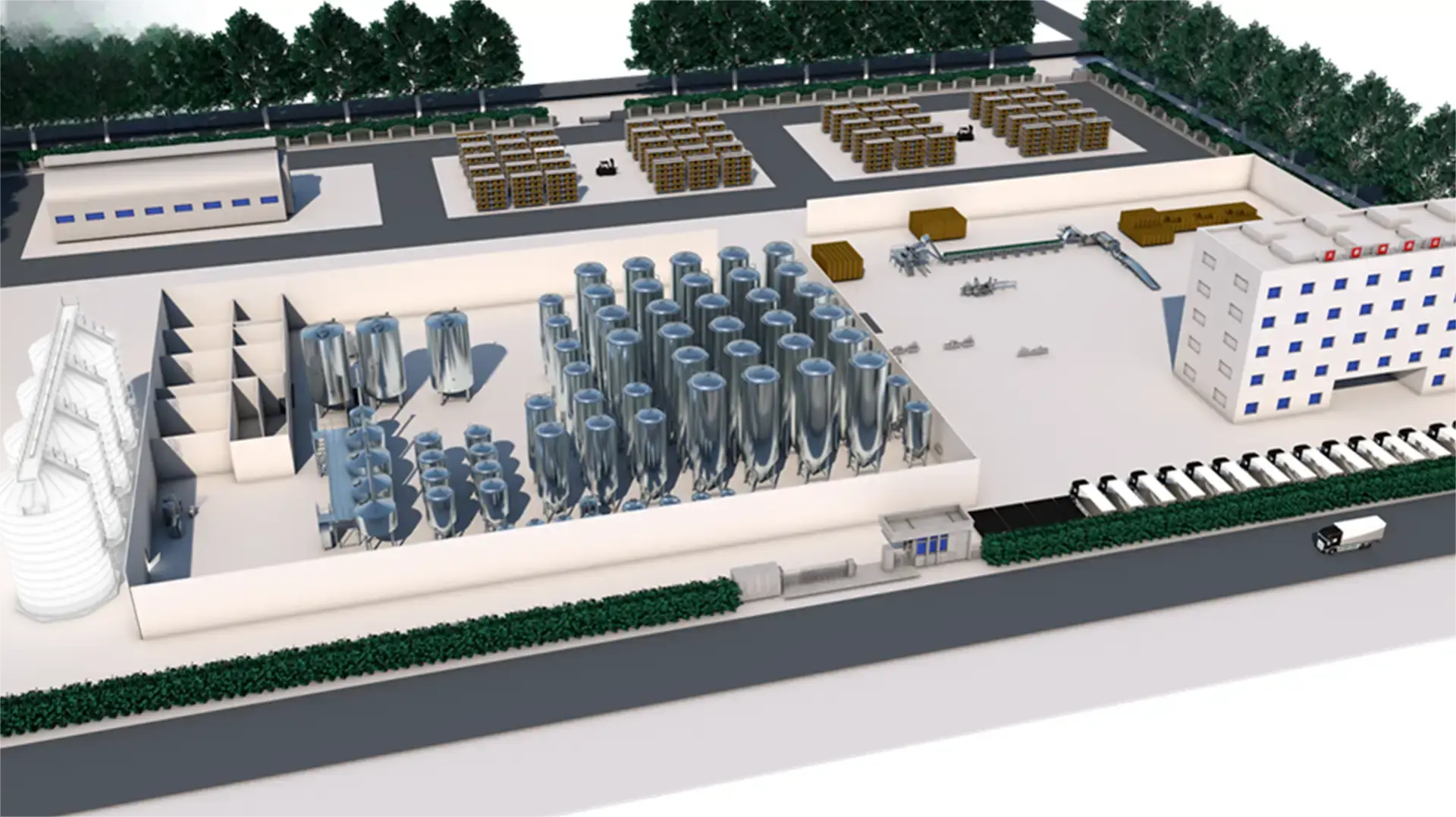
Each system is customized according to production capacity, available space, beer styles, and budget, helping customers launch efficient beer production with confidence.
Dry Malt Extract offers breweries a practical and cost-effective alternative to traditional all-grain brewing. It simplifies production by eliminating milling and mashing while delivering consistent wort quality and excellent brewing performance.
With the right equipment and fermentation technology, breweries can produce a wide range of high-quality craft beers—from crisp lagers to hop-forward IPAs and rich stouts—using DME as a reliable brewing foundation.
Whether you’re launching your first brewery or expanding your product line, a TIANTAI DME brewing solution can help you achieve faster startup, lower investment, and dependable beer quality.
Édité par Daisy : business@cnbrewery.com

